Is Compounded Semaglutide FDA-approved?
See the FDA status badge in the hero and our editorial review. Compounded versions are NOT FDA-approved.
Affiliate-supportedIndependent editorialWe never sell medicationSee how
semaglutide (compounded)
Manufactured by Various compounding pharmacies
Compounded semaglutide is a custom-formulated version of semaglutide prepared by state-licensed 503A or 503B pharmacies under prescription. It is NOT FDA-approved as a finished product — meaning the FDA has not reviewed the specific compounded formulation for safety, potency, or quality. Compounded semaglutide expanded during the 2023-2024
Coverage commonly accepted by
M. in TX switched Ozempic → compounded semaglutide — $8,160/year
2 min ago · illustrative aggregate
8 editorial articles · 4 how-to guides
Onset mirrors brand semaglutide. Variability higher due to compounding tolerances.
Pivotal trial & FDA snapshot
Mean weight loss
14.9%
at 2.4 mg, 68wk (STEP-1)
Dosing
Once weekly
subcutaneous injection (Rybelsus: daily oral)
FDA approved
2017
Type 2 diabetes (Ozempic), 2021 obesity (Wegovy)
Reviewed by GLP1Zoom editorial board
M. Kapoor, MD
Board-Certified, Internal Medicine
Medical Reviewer — endocrine & metabolic content
J. Tomić, PharmD
Doctor of Pharmacy, MPH
Pharmacy Reviewer — drug interaction & dosing content
A. Reyes, RD, CDCES
Registered Dietitian, Certified Diabetes Educator
Nutrition Reviewer — lifestyle & adherence content
Reviewers are independent contractors paid flat editorial fees — no commission, no endorsement of any partner provider. See the full board →
Glyphs are illustrative monograms — not the carriers' trademarked logos. Carrier acceptance varies by employer plan, state, and FDA-approved indication. Check yours →
Cost
Compounded Semaglutide cost
Considering a switch from Compounded Semaglutide?
Compare Compounded Semaglutide alternatives — cost, efficacy, regulatory status.
How GLP1Zoom works
GLP1Zoom is a comparison platform. We don't prescribe, dispense, or sell. Partners do. Partner clicks redirect directlyto that company's website.
Side-by-side price + FDA status across 8–12 telehealth partners. No signup required.
Filter by price, FDA status, dosage range, and state availability. Read our editorial review.
Partner runs medical questionnaire and (where required) live video visit. Licensed clinicians prescribe.
Partner pharmacy ships directly to you. Ongoing care, dose changes, and refills handled by the partner.
GLP1Zoom is not a pharmacy, prescriber, or insurance provider. We do not process payments, ship medication, or carry liability for partner services, prices, or outcomes — the partner you choose is solely responsible.
Side-effect timeline
Typical severity arc over the first 12 weeks of titration. Most GI side effects peak weeks 2-4 of each dose increase and resolve as the body adapts. Individual experience varies.
Source: STEP-1, SURMOUNT-1, SCALE-Obesity adverse-event reporting + patient survey aggregations. Severity arcs are typical patterns; individual experiences vary substantially.
Each strategy targets a different patient situation. Stack them where eligible — most patients qualify for at least one.
Compare partners
12 telehealth providers side-by-side. Sort by price, FDA status, and shipping speed. Compounded options often cheapest for cash-pay.
See all providers →Manufacturer card
Manufacturer savings card. Eligibility usually requires commercial insurance (no Medicare / Medicaid). Verify direct.
See savings programs →Insurance check
Most commercial plans cover at least one GLP-1 use case. PA usually required. If denied, use our appeal-letter generator.
Appeal-letter tool →See the FDA status badge in the hero and our editorial review. Compounded versions are NOT FDA-approved.
Most partners accept cash-pay. Insurance coverage varies — verify with the partner before paying.
Most clinical trials reach the endpoint at 56–72 weeks. Patient experience varies; consult your provider.
FDA Compliance Notice
Compounded Semaglutide is available only in compounded forms. As of March 2026, the FDA has issued warning letters to multiple telehealth providers regarding compounded GLP-1 marketing. Compounded medications are not FDA-reviewed for safety, effectiveness, or quality.
Learn more →Sorry, we don't have any provider pricing for this medication yet. There are a few potential reasons:
Compounded semaglutide is a non-FDA-approved version of the GLP-1 medication used for weight loss. Subject to FDA enforcement following March 2026 warning letters.
Manufacturer
Various compounding pharmacies
4 typical-fit criteria · 6 disqualifying conditions. Quick-screen yourself, then confirm with a licensed prescriber.
Eligibility is determined by a licensed prescriber, not GLP1Zoom. See our medical disclaimer.
Mean body-weight change across 68 weeks on Compounded Semaglutide from the STEP-1 trial. Curve smoothed from published endpoints; individual results vary significantly.
Trial participants also received lifestyle counseling. Real-world results depend on dose adherence, side-effect tolerance, and lifestyle factors.
Every legitimate savings path — manufacturer copay cards, 90-day fills, compounded alternatives, and Patient Assistance Programs. We may earn affiliate commission on some, but list all so you can pick what actually fits. Disclosure
Many pharmacies and mail-order programs offer a 3-month supply at a reduced per-month rate vs three separate 30-day fills. Ask your prescriber to write for a 90-day quantity (where allowed by your plan and state laws), then check:
What it is: A licensed compounding pharmacy formulates the same active ingredient (semaglutide (compounded)) under a prescription. NOT FDA-approved as a finished product — regulatory oversight differs from brand drugs.
Why people consider it: Lower cash-pay cost when insurance denies brand coverage. Trade-off: compounded products are not reviewed by FDA for finished-product safety, potency, or quality; availability is also narrowing as of 2026.
Compare compounded providers →Why it works: several GLP-1 medications share the same active ingredient or drug class. Your prescriber can switch you to a cheaper sibling when insurance denies the brand you started on (e.g. Wegovy → Ozempic off-label under PA, or Saxenda → Wegovy for better efficacy at similar cost).
Trade-off: efficacy, dose schedule, and FDA-approved indication vary. Always discuss switches with your prescribing clinician before changing.
Compare Compounded Semaglutide to alternatives →Class-typical schedule. Your prescriber may individualize the schedule based on tolerance and goals.
Week 1–4
0.25 mg
Starting dose — body adjusts
Week 5–8
0.5 mg
Step up
Week 9–12
1.0 mg
Step up
Week 13+
1.7–2.4 mg
Titrate every 4 weeks to 2.4 mg (Wegovy) or 1.0–2.0 mg (Ozempic)
Practical handling guidance. Always follow the dispensed label.
Before use
36°F–46°F (2°C–8°C) until first use
At room temperature
Up to 56 days at room temperature (≤86°F / 30°C) after first use
After first use
Discard pen 56 days after first use
When to inject
Any time of day, with or without food. Same day each week.
If you miss a dose
Take within 5 days of missed dose; otherwise skip and resume schedule.
Missed dose · Pregnancy · Boxed warning · Side-effect prevalence · Doctor's note
Within 5 days of missed dose: take as soon as you remember, then resume your regular weekly schedule on the original day.
More than 5 days have passed: skip the missed dose and resume the next dose on your regular schedule.
Never double the dose to make up for a missed one. Confirm with your prescriber if uncertain.
Overdose of Compounded Semaglutide may cause severe nausea, vomiting, and (if combined with insulin or sulfonylureas) severe hypoglycemia.
If you suspect overdose:
Poison Help (US, free, confidential): 1-800-222-1222
Compounded Semaglutide is not recommended during pregnancy. Animal studies suggest potential reproductive harm. Discontinue Compounded Semaglutide at least 2 months before planned conception per FDA label guidance. If you become pregnant while taking Compounded Semaglutide, contact your prescriber immediately.
It is unknown whether Compounded Semaglutide passes into breast milk. The decision to continue or discontinueCompounded Semaglutide during breastfeeding should be made with your prescriber, weighing benefits to the mother against potential risks to the infant.
Pregnancy exposure registry: 1-800-727-6500
If you become pregnant while taking Compounded Semaglutide, the manufacturer maintains a registry to track outcomes. Reporting helps improve future guidance for other patients.
This summary reflects general FDA label guidance. Individual decisions about pregnancy and Compounded Semaglutide should always involve a prescriber who knows your full medical history. GLP1Zoom does not prescribe or recommend doses.
Why a slow titration matters
Most GI side effects on Compounded Semaglutide come from titrating too fast. The 4-week minimum at each dose step isn't conservative — it's the threshold below which patient discontinuation rates spike. If your prescriber suggests holding a dose longer, that's evidence-based, not under-treatment.
Detailed safety + lifestyle
Five FDA-label safety topics most readers ask about. Educational summary — always confirm specifics with your prescribing clinician.
Compounded product caveat
This safety profile reflects the active-ingredient class profile. Compounded products are NOT FDA-reviewed for finished-product safety, potency, or quality — apply with extra caution and verify with your prescriber + compounding pharmacy.
GLP-1 medications are NOT recommended during pregnancy. Animal studies have shown potential harm to fetal development at clinical doses. The FDA advises discontinuation at least 2 months before a planned pregnancy due to the long half-life of weekly-dosed GLP-1s.
Clinical recommendation: Discontinue at least 2 months before planned pregnancy. If pregnancy occurs while on therapy, discontinue immediately and notify your prescriber. Report exposures to the manufacturer pregnancy registry (where available).
It is not known whether GLP-1 receptor agonists are excreted in human milk. Animal studies show small amounts of the drug class are excreted in rat milk. The decision to use during breastfeeding requires weighing maternal benefit against potential infant exposure.
Discuss benefits and risks with your prescriber and pediatrician. Most labels suggest avoiding breastfeeding while on therapy.
Summarized from the FDA-approved prescribing information. Always review the full label and discuss with your prescriber.
FDA Boxed Warning
Risk factors:Personal/family history of medullary thyroid cancerMultiple Endocrine Neoplasia type 2Pancreatitis historyType 1 diabetes
Risk of thyroid C-cell tumors. Contraindicated in patients with personal or family history of MTC or MEN 2.
Risk factors:Hypersensitivity to active ingredient
Vs placebo bar · sortable prevalence table · 8-week timing curve
Percent of Compounded Semaglutide trial participants reporting each side effect during the trial period, c placebo comparator + absolute excess. Sorted by Compounded Semaglutide incidence (descending).
| Side effect | Compounded Semaglutide | Placebo | Excess |
|---|---|---|---|
| Nausea | 44% | 16% | +28.0 pp |
| Diarrhea | 30% | 16% | +14.0 pp |
| Vomiting | 24% | 6% | +18.0 pp |
| Constipation | 24% | 11% | +13.0 pp |
| Abdominal pain | 20% | 10% | +10.0 pp |
| Headache | 14% | 12% | +2.0 pp |
"pp" = percentage points. Trial-level incidence rates from FDA-approved prescribing information. Individual experience varies based on dose titration speed, prescriber follow-up, and personal tolerability.
Drug-interaction count by severity + full list of documented pairs
Common medications that may interact with Compounded Semaglutide. This is not exhaustive — always tell your prescriber every medication you take, including supplements.
Insulin
Hypoglycemia risk — typically requires insulin dose reduction.
Sulfonylureas
Significantly increased hypoglycemia risk.
Oral medications (general)
Delayed gastric emptying may slow absorption.
Warfarin
Monitor INR more frequently when starting.
Oral levothyroxine
Take 4+ hours apart from injection.
In-depth interaction guides
Editorial summary, not a complete drug-interaction database. Verify against the full prescribing information and discuss with your prescriber. Full disclaimer.
Typical service tiers for Compounded Semaglutide across the partner network. Individual partners may bundle differently — see the live provider list above for partner-specific terms.
Compare on GLP1Zoom
Free / Browse
$0/mo
Median partner offer
Starter
$199–349/mo
FDA-brand + concierge
Premium
$499–899/mo
Editorial reference of typical partner offers. GLP1Zoom does not sell, prescribe, or process payments — clicking a tier scrolls you to the live provider list where partner buttons redirect directly to that partner's site.
| Drug | Avg weight loss | Type | |
|---|---|---|---|
| Compounded Semaglutide (this page) | 14.9% | Compounded | — |
| Compounded tirzepatide | 22.5% | Compounded | Compare → |
| Wegovy | 14.9% | FDA brand | Compare → |
Compounded Semaglutide cost per pound lost
200 lb, 6 months
Cheaper monthly cost ≠ cheaper per pound. Plug your own numbers in the full calculator — rankings often shift surprisingly.
Open full calculator →Free tool
Pick Compounded Semaglutide + another drug → see severity, mechanism, and management. No signup.
Compounded Semaglutide is part of a relatively young drug class — GLP-1 receptor agonists first reached US patients in 2005 with the approval of Byetta (exenatide), but it was the longer-acting, once-weekly molecules introduced in the 2010s and 2020s that transformed weight-loss medicine. Compounded Semaglutide entered the market through FDA approval following multi-year clinical development including the STEP-1 pivotal trial that established its current efficacy profile.
Compounded Semaglutide is a compounded formulation of semaglutide (compounded)— meaning it's prepared by a state-licensed compounding pharmacy (503A) or FDA-registered outsourcing facility (503B) rather than manufactured by the brand holder. Compounded versions exist outside FDA approval for new drugs; their availability depends on shortage status, ingredient supply, and state pharmacy regulations. Following the FDA's 2025 resolution of the semaglutide and tirzepatide shortages, the legal basis for compounding these molecules narrowed substantially.
Compounded Semaglutide is generally contraindicated in pregnancy — animal studies have shown reproductive toxicity at clinical doses, and the FDA labels recommend discontinuation at least 2 months before a planned pregnancy. If you become pregnant while on Compounded Semaglutide, contact your prescriber immediately. The drug has not been adequately studied in breastfeeding — most clinical guidance recommends discontinuation if breastfeeding is planned.
Compounded Semaglutide can be used in older adults but with additional caution. The risk of dehydration from GI side effects is higher, and dehydration can trigger acute kidney injury. Prescribers often start with slower titration and monitor renal function more frequently. Polypharmacy is common in this population — review all medications for potential interactions (see side effects guide).
Compounded Semaglutide's FDA-approved indications vary by age. Some GLP-1 medications (notably Wegovy and Saxenda) are approved for adolescents aged 12+ with obesity; others are adults-only. Always check the current FDA label and discuss with a pediatric endocrinologist before considering use in patients under 18.
Compounded Semaglutidedoesn't typically require dose adjustment for mild-to-moderate kidney disease, but severe chronic kidney disease (CKD stage 4-5) warrants close monitoring due to acute kidney injury risk if dehydration occurs from GI side effects.
Personal or family history of medullary thyroid carcinoma (MTC) or Multiple Endocrine Neoplasia syndrome type 2 (MEN 2) is a contraindication per the FDA boxed warning. Patients should disclose family history of thyroid cancer before starting any GLP-1 medication.
Most patients notice appetite reduction within 5-10 days of the first injection. The «food noise» — constant background thoughts about food — often quiets noticeably. Some patients lose 1-3 pounds in the first two weeks from reduced caloric intake. Side effects typically peak now: nausea is most intense, sometimes with vomiting or constipation. Many patients describe the first two weeks as the hardest period of treatment.
By the end of month 1, the body adapts. Nausea fades for most patients (about 75% report tolerable or no GI side effects by week 8). Weight loss continues steadily — typical pace is 1-2 pounds per week during titration. Dose increases happen every 4 weeks until you reach the target dose. Each increase can trigger a fresh wave of side effects that resolves within 1-2 weeks. Energy levels often improve as inflammation drops with weight loss.
Weight loss plateaus in waves rather than a smooth curve. Most patients see their fastest loss in months 1-6 and slower-but-steady loss through month 12. By the trial endpoint (68 weeks), trial participants on Compounded Semaglutide had lost a mean of 14.9% of starting body weight. Individual results vary widely — some patients exceed the trial average; others plateau earlier. Plateau-breaking tactics include reviewing diet quality, increasing resistance training, and discussing dose optimization with your prescriber.
Most clinical data for Compounded Semaglutide covers the first 1-2 years of treatment. Long-term sustainability is the open question: continued treatment generally maintains weight loss; stopping leads to gradual regain (roughly 2/3 of lost weight within 1 year per extension studies). For this reason, Compounded Semaglutide is increasingly viewed as a long-term medication for chronic disease (obesity, type 2 diabetes) rather than a short-term course.
Commercial insurance coverage for Compounded Semaglutide is the single largest factor determining what you actually pay. Most US commercial plans (private employer coverage, ACA marketplace plans, individual plans) cover Compounded Semaglutide for FDA-approved indications, but they typically require prior authorization (PA) — a process where your prescriber documents medical justification before the plan agrees to cover the prescription.
Prior auth processing typically takes 3-7 business days. About 30-50% of initial PA requests are denied — usually for missing documentation rather than coverage denial. Appeal success rate for properly documented requests is high (75%+). See our Compounded Semaglutide cost guide for full coverage breakdown.
Medicare Part D coverage for GLP-1s when prescribed solely for weight loss is currently excluded under federal law (the Medicare Improvement and Modernization Act prohibits coverage of «drugs used for anorexia, weight loss, or weight gain»). However, coverage for FDA-approved non-weight-loss indications (type 2 diabetes for Ozempic/Mounjoaro/Trulicity, cardiovascular risk reduction for Wegovy in some plans) is widely available. Pending legislation could change this.
State Medicaid programs vary widely in their coverage of Compounded Semaglutide for weight loss — approximately half of states cover it, half do not. Coverage for diabetes indication is more universal across states. Check your state Medicaid formulary for current rules.
Compounded Semaglutide requires refrigerated storage before first use, and once-weekly injections fit into most travel schedules — but plan ahead for trips.
The Transportation Security Administration explicitly allows injectable medications and the required syringes/pens through airport security in carry-on bags. Keep medications in original labeled packaging and consider carrying a copy of your prescription. Declare medications to the TSA officer at screening. Compounded Semaglutide pens are subject to the 3-1-1 liquid rule unless accompanied by a prescription showing necessity — declaring them as medical items typically exempts them.
For trips longer than the pen's room-temperature shelf-life, use an insulated medication travel case with ice packs (Frio bags work well). Avoid leaving pens in checked luggage (cargo holds can drop below freezing, destroying the medication) or in a car on hot days.
Compounded Semaglutidedoesn't have a hard contraindication with moderate alcohol, but several considerations apply: alcohol can amplify hypoglycemia risk (particularly if combined with insulin or sulfonylureas), worsen GI side effects, and add empty calories that undermine weight-loss goals. Many patients on Compounded Semaglutide report decreased alcohol tolerance and reduced desire for alcohol — a documented secondary effect being researched.
Many GLP-1 medications, including Compounded Semaglutide, are prescribed off-label for conditions beyond the FDA-approved indications. Common off-label uses include:
Off-label prescribing is legal and common in US medicine but typically isn't covered by insurance for non-FDA-approved indications. Discuss with your prescriber before pursuing off-label use.
Unopened Compounded Semaglutidepens left at room temperature should typically be discarded if they were unrefrigerated for longer than the manufacturer's allowed room-temperature window (varies by drug — typically 21-56 days). If exposed for less, they remain usable but consider noting the exposure date. Once opened (after first use), the room-temperature shelf life clock starts.
Discard frozen pens.Freezing damages the peptide structure of GLP-1 medications, rendering them ineffective or potentially unsafe. Never put pens in the freezer, and avoid refrigerator zones that drop below 36°F (2°C). Check your refrigerator's temperature periodically.
After the manufacturer's allowed room-temperature period (e.g., 56 days for Wegovy after first use), discard the pen even if medication remains visible inside. Stability declines past the labeled window; doses become unpredictable.
Compounded Semaglutide is a compounded version, so timeline varies by compounding pharmacy. The branded equivalent has been on the US market since 2017 (for semaglutide) or 2022 (for tirzepatide) — see the relevant FDA-brand drug page.
Yes — moderate exercise is encouraged and amplifies the weight-loss benefit. Some patients experience reduced exercise tolerance in early treatment due to calorie deficit + nausea; this typically resolves by week 4-8. Resistance training is especially recommended to preserve lean muscle during weight loss.
Most patients report no negative mood changes; some report improved mood alongside weight loss and metabolic improvement. The FDA is currently investigating reports of suicidal ideation associated with GLP-1s — no causal link has been established, but discuss any mood changes with your prescriber promptly.
Current long-term safety data extends to 2-3 years for most GLP-1 medications. Ongoing surveillance and clinical research are expanding this window. Established long-term risks include the boxed-warning thyroid consideration, pancreatitis risk, and gallbladder disease. Most patients tolerate long-term treatment well.
Yes, but typically requires re-titration from the lowest dose of the new drug. Direct switches between same-active-ingredient products (e.g., Mounjaro ↔ Zepbound) can sometimes maintain dose. See our Compounded Semaglutide alternatives guide for switching considerations.
Most patients regain approximately two-thirds of lost weight within one year of stopping treatment, per published extension studies. The drug doesn't permanently alter metabolism — it provides ongoing appetite suppression that stops when the medication is withdrawn. This is why Compounded Semaglutide is increasingly treated as a long-term medication rather than a short course.
Compounded Semaglutide can slow gastric emptying enough to reduce oral contraceptive absorption during the titration period. Consider a backup contraceptive method (condoms) for the first 4 weeks after starting Compounded Semaglutideand after each dose increase. Long-acting reversible contraceptives (IUD, implant) aren't affected.
No specific diet is required, but most prescribers recommend a balanced approach: adequate protein (0.8-1g/kg body weight) to preserve muscle, fiber from vegetables and whole grains, and avoiding ultra-high-fat or very sweet foods that often worsen nausea in early treatment.
Used pens contain residual medication and a needle — they are sharps. Dispose via an FDA-cleared sharps container or your state's sharps disposal program. Don't throw pens in regular trash. Many pharmacies accept used pens for safe disposal.
Compounded Semaglutideisn't FDA-approved for type 1 diabetes. Off-label use in type 1 is rare and requires close endocrinologist supervision due to hypoglycemia risk and the fundamental difference in disease mechanism (T1 is insulin deficiency, not insulin resistance). Discuss with your prescriber.
If you miss several consecutive doses (typically more than 2 weeks for a once-weekly drug), contact your prescriber. You may need to restart at a lower titration dose to avoid severe nausea on restart. Don't double up missed doses.
Compounded Semaglutidedoesn't produce dependence in the addiction-medicine sense (no withdrawal syndrome, no cravings, no dopaminergic reward). The desire to stay on it often reflects fear of weight regain rather than psychological dependence on the drug itself.
For specific topic deep-dives, see our dedicated guides: cost · side effects · dosage · how it works · alternatives
30-second filter
Pick one. We'll line up the partners and FDA-approved options that match your priority. (Not medical screening — preference filter only.)
Cash-pay range, insurance coverage, manufacturer copay cards, and cheaper alternatives.
Compounded semaglutide via telehealth typically runs $150-300/month cash-pay (some as low as ~$70-129 on intro pricing), versus $1,000-1,865/month list for FDA-approved Ozempic or Wegovy without insurance. The lower cost is the main reason patients choose compounded — weighed against reduced regulatory oversight.
Compounded semaglutide uses the same active ingredient (semaglutide) as Ozempic, so the pharmacological effect is expected to be similar. The difference is regulatory: Ozempic is FDA-approved as a finished product with full manufacturing oversight, while compounded versions are NOT FDA-reviewed for safety, potency, or quality. Efficacy can vary by compounding pharmacy.
Compounded semaglutide from a state-licensed 503A pharmacy or 503B outsourcing facility, prescribed by a licensed clinician, is legal. However, the FDA has warned about fraudulent online sellers, mislabeled products, and unapproved "salt" forms (semaglutide sodium). Legitimacy depends on the specific pharmacy — verify accreditation and require a real prescription.
Availability is shrinking. After the FDA declared the semaglutide shortage resolved, the legal basis for mass-compounding narrowed, and the FDA has moved to permanently restrict compounded GLP-1s. Some 503A pharmacies still produce personalized formulations (e.g. with B12), but broad availability is being phased out as commercial supply stabilizes. Check current status with your provider.
Tirzepatide (the molecule in Mounjaro/Zepbound) produced greater average weight loss than semaglutide in head-to-head trials (~22% vs ~15%). Compounded tirzepatide therefore tends to deliver stronger results, but may cause more GI side effects and faces the same regulatory phase-out as compounded semaglutide.
Most patients lose roughly 1-2 pounds per week on semaglutide once titrated to an effective dose, so a 20-pound loss is typically achievable in about 10-16 weeks when paired with diet and activity. Higher starting weights often see faster early loss. Individual results vary widely.
Illustrative patient journeys
Composite scenarios reflecting common GLP-1 paths — not specific patient outcomes or testimonials.
Maria
Aiming for 10-15% loss
James
A1c-focused on Mounjaro
Sonia
PCOS + compounded path
David
Insurance covered Wegovy
Aisha
Telehealth refill cycle
Ramon
Switched brand → compounded
Lin
Maintaining at week 52
Priya
Side-effects managed
Kenji
Restarted after pause
Elena
Med + protein-first diet
Maria
Aiming for 10-15% loss
James
A1c-focused on Mounjaro
Sonia
PCOS + compounded path
David
Insurance covered Wegovy
Aisha
Telehealth refill cycle
Ramon
Switched brand → compounded
Lin
Maintaining at week 52
Priya
Side-effects managed
Kenji
Restarted after pause
Elena
Med + protein-first diet
Names and avatars are illustrative composites — not real patients. Outcome descriptions are derived from published clinical-trial endpoints (STEP-1, SURMOUNT-1). Individual results vary; see our medical disclaimer.
Lifestyle on Compounded Semaglutide
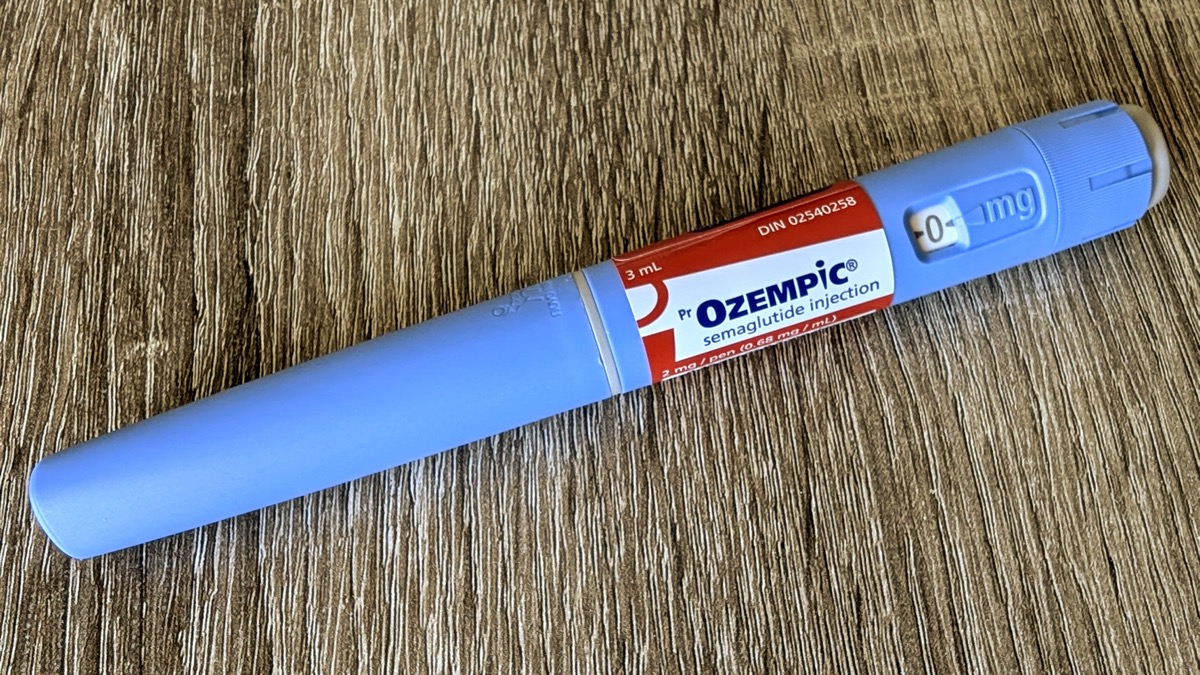
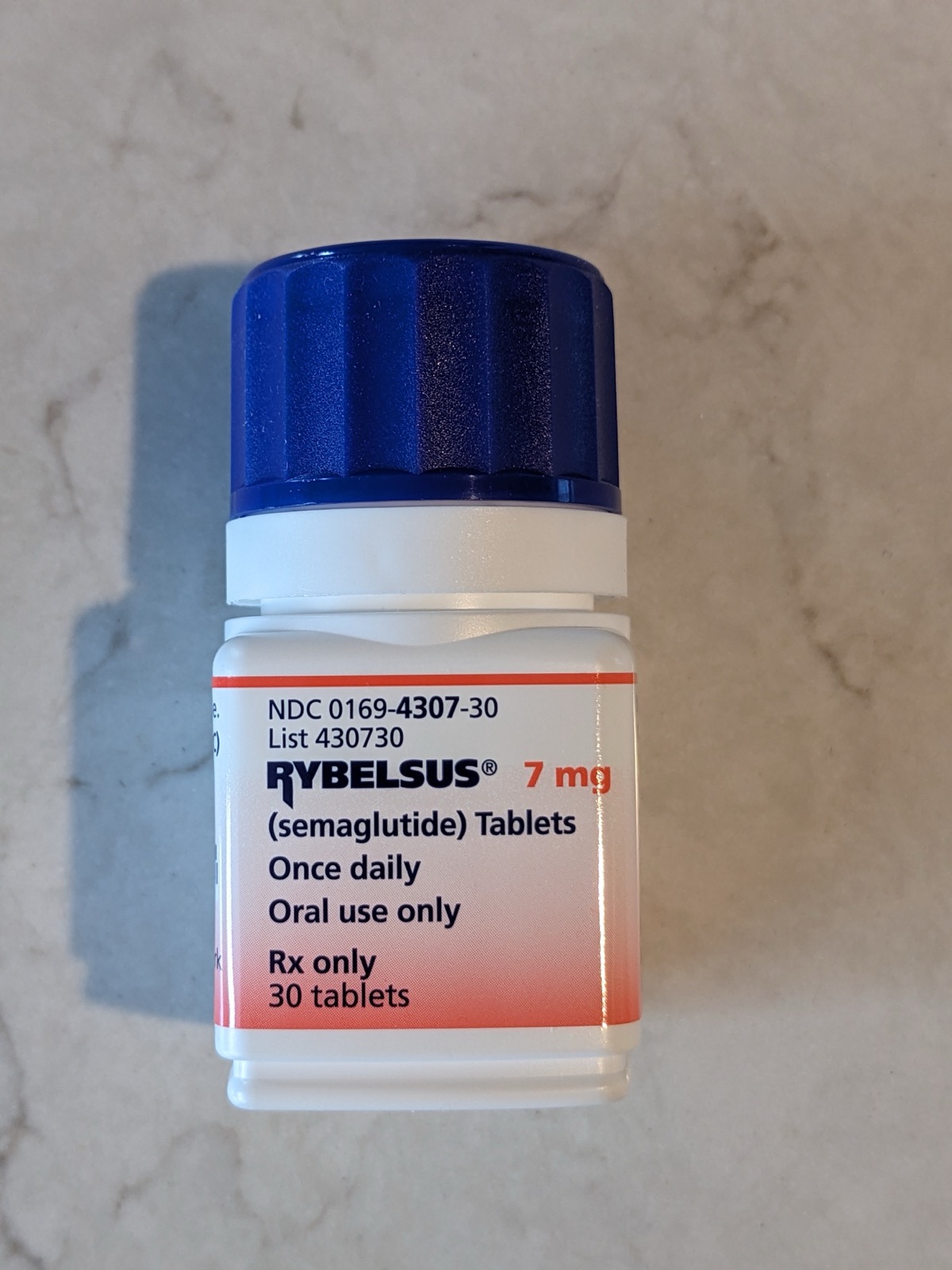
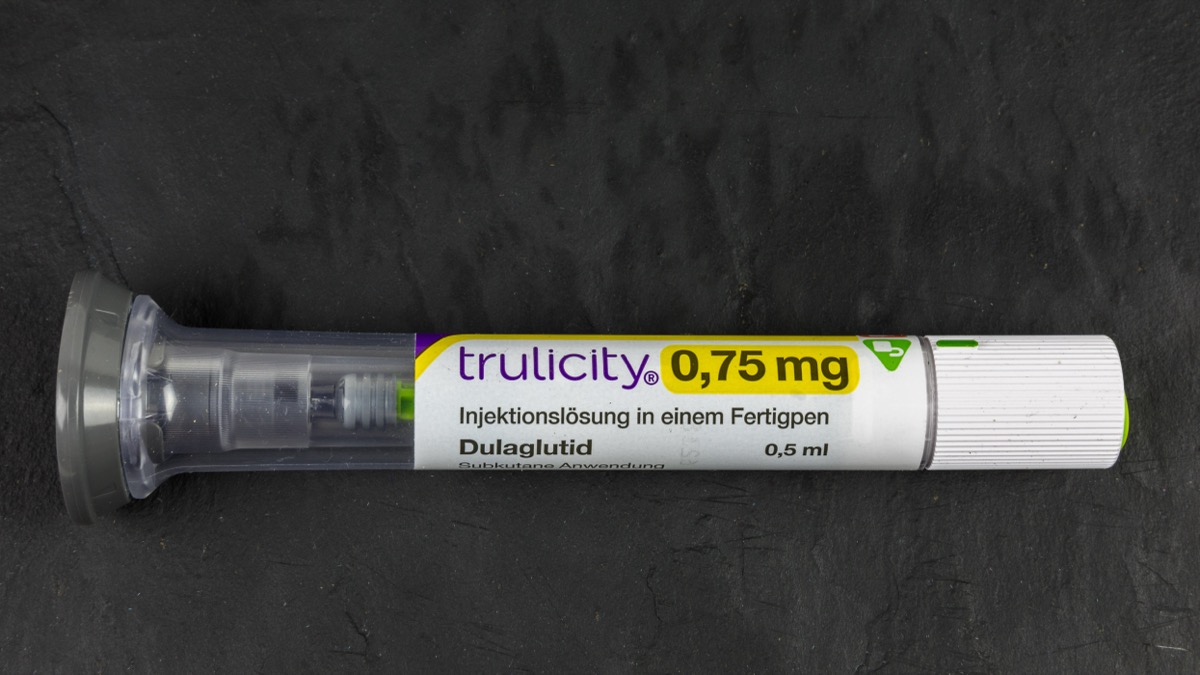
Form factor and administration. Photos are stock representations of the drug class — not manufacturer-branded marketing imagery.


More options to compare
Same drug class, different trade-offs — trial weight-loss %, FDA indication, and cash pricing side-by-side. Tap any card to open its full review or jump straight to a head-to-head.
Sister drugs
No direct contraindication, BUT GLP-1-induced delayed gastric emptying changes alcohol absorption kinetics. Patients often report that alcohol "hits harder" or causes worse hangover symptoms while on GLP-1 therapy. Hypoglycemia risk also increases when alcohol is combined with insulin or sulfonylureas (which a GLP-1 user may also be taking).
Practical guidance: Limit alcohol; if you do drink, eat first, hydrate, and monitor for any symptoms of low blood sugar (sweating, confusion, dizziness). Discuss any heavy use with your prescriber.
No specific food contraindications for injectable GLP-1 agonists (Wegovy, Ozempic, Zepbound, Mounjaro, Saxenda). Inject the dose without regard to meals. However, severe gastrointestinal symptoms can occur with greasy or sugary meals — eat smaller, lighter meals especially during the first 4-8 weeks.
Sources: FDA-approved prescribing information accessed via our methodology. Specifics may differ for your dose, formulation, and personal medical history — confirm with your prescribing clinician.
Risk factors:Pancreatitis historyGallbladder diseaseKidney impairmentDiabetic retinopathyConcurrent insulin / sulfonylurea
Information is educational and not a substitute for the full prescribing label or clinical judgment. Read our full medical disclaimer.
Surgeons and obesity-medicine doctors increasingly combine bariatric procedures with GLP-1s, before or after surgery. We compare percent total weight loss, durability, costs, and who benefits from each path.
May 29, 2026 · 11 min read
how-toMost GLP-1 prescriptions ship with a pen and a leaflet but limited coaching. Here is a plain-language walkthrough of injection sites, rotation, and the mistakes that cause bruising.
May 29, 2026 · 11 min read
newsThe FDA officially resolved the GLP-1 shortage in 2025, but regional availability still varies. Here is the current FDA shortage list status and what pharmacists report on the ground in 2026.
May 29, 2026 · 10 min read
educationMicrodosing semaglutide has exploded on Reddit and TikTok as a tolerability and cost hack. We cover what off-label means here, pharmacokinetic concerns, and questions to bring to your prescriber.
May 29, 2026 · 10 min read